October 29, 2025
At the recent “Aligning Next-Gen Talent” panel hosted by TeamNEO, industry leaders shared powerful insights on how employers can better prepare, engage, and retain the next generation of workers. The discussion, moderated by Baldwin Wallace University President Lee Fisher, featured Shaun Eller (Ohio Gratings), Natalie Joyce (Ravago Medina), and Davonta Milbry (Federal Reserve Bank of Cleveland). Their stories and strategies align closely with Future Plans’ career development framework—especially Step 3: Discovery and Step 5: Place.
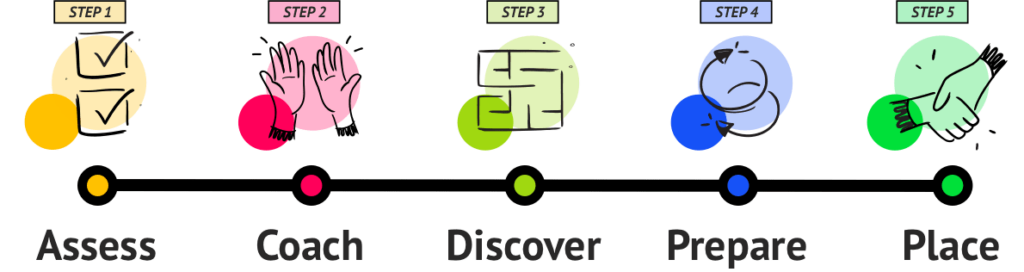

🔍 Step 3: Discovery – Meeting Students Where They Are
Discovery is about helping students uncover their strengths, interests, and career possibilities. Panelists emphasized the importance of career exploration, flexibility, and exposure to real-world roles:
- Shaun Eller shared how Ohio Gratings created a 2–8 PM shift for high school seniors, allowing them to work nearly full-time while still enjoying their senior year. Last year, 40 students participated—28 transitioned to full-time roles.
- Natalie Joyce described Ravago’s partnership with career centers to help students reassess their chosen disciplines and explore light manufacturing roles beyond the production floor.
- Davonta Milbry outlined the Federal Reserve’s Exploration Professionals Program, which rotates students through departments like HR, communications, and research, helping them discover transferable skills and career interests.
These examples reflect the Discovery phase in Future Plans, where students begin to see themselves in future roles and connect their personal purpose to professional pathways.

🧭 Step 5: Place – Supporting Employees Once Hired
Once students transition into the workforce, the Place phase focuses on first securing the job and evolves into the need for retention, growth, and belonging. The panelists highlighted several best practices:
- Mentorship & Relationship Building: All three panelists emphasized the power of mentorship. Shaun described pairing students with seasoned workers who see mentoring as a legacy opportunity. Natalie uses job coaches to ease the onboarding process and build confidence. Davonta’s program fosters personal connections and peer mentorship to support long-term engagement.
- Culture & Inclusion: Shaun shared how Ohio Gratings transformed its culture—adding a chaplain, personal development classes, and a culture officer—to show employees they are valued beyond productivity.
- Leadership Development: Shaun and Davonta both offer rotational leadership roles to young employees, giving them a chance to explore management and build soft skills in low-risk environments.
- Soft Skills (Human Skills) as Core Skills: Communication, self-awareness, and adaptability were repeatedly cited as essential. Davonta reframed them as “personal skills,” and Lee Fisher emphasized their role in preparing students to be future-ready.
These practices align with Future Plans’ Place step, which encourages employers to invest in the whole person—supporting growth, retention, and long-term career success.

💡 Key Takeaways for Employers
- Flexibility is foundational. Adapt work schedules and roles to meet students where they are.
- Mentorship matters. Pair young workers with experienced mentors who want to invest in others.
- Culture drives retention. Show employees they matter through meaningful investments in well-being.
- Purpose fuels engagement. Help students connect their work to real-world impact and personal goals.
- Soft skills are essential. Teach communication, leadership, and self-awareness as part of onboarding and development.

🔗 Connecting to Future Plans
The panel reinforced that employers play a critical role in shaping the future workforce—not just by hiring, but by discovering, placing, and growing talent. Future Plans provides the data and tools to support this journey, helping students uncover their strengths and guiding employers to create environments where young professionals thrive.
As Shaun Eller said, “We’re not just building parts—we’re building futures.” That’s the heart of Future Plans—and the future of workforce development.